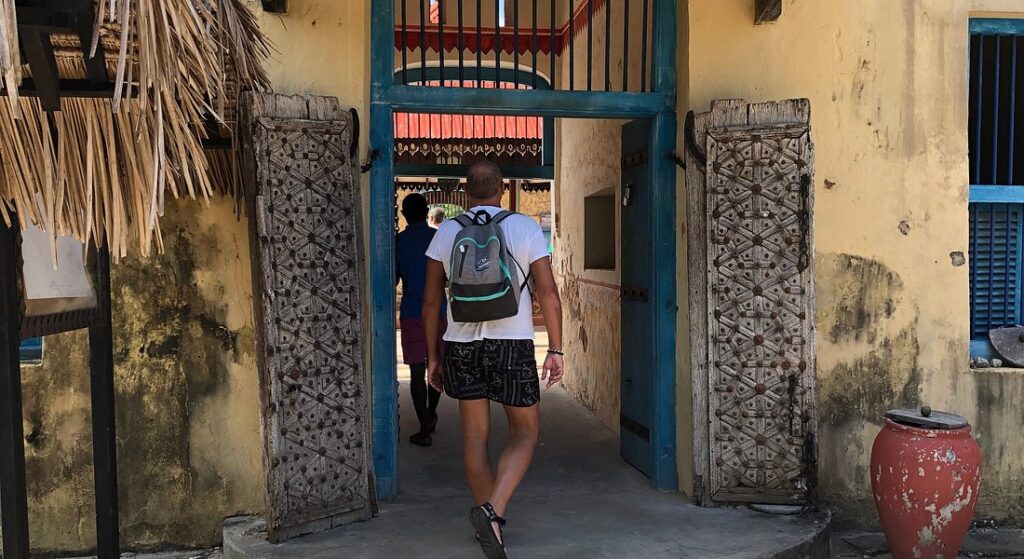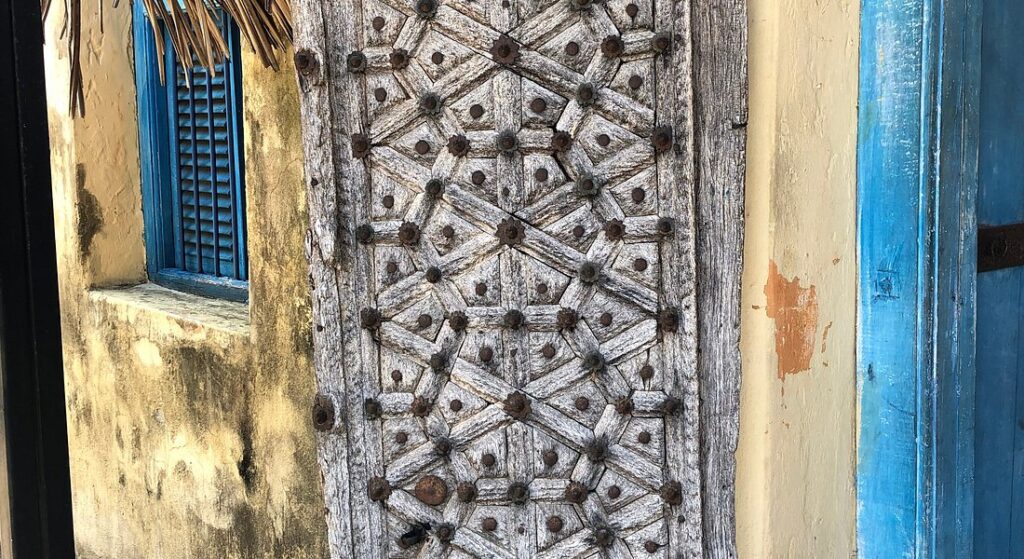
While in Zanzibar one of the activity you can do is to visit Jozani forest which you can go to any time of the year between 8 a.m. and 5 p.m. Once arrived you will find a reception desk at the entrance where you can pay the entrance fee and get in. There are professional tour guides who will accompany visitors on a 30 to a 45-minute walking tour.
The Jozani Forest is the only national park and rainforest in Zanzibar. It stretches for 50 square kilometers, between Chwaka Bay (north) and Uzi bay (south), in a very humid flat area. The Annual rains and frequent floods make this an exceptional swamp forest.
Jozani Forest Highlights
One of the basic things to spot while taking a walk around this forest is the openings in the ground which were dug by little crabs to arrive at the layer of water 30 cm underneath the ground.
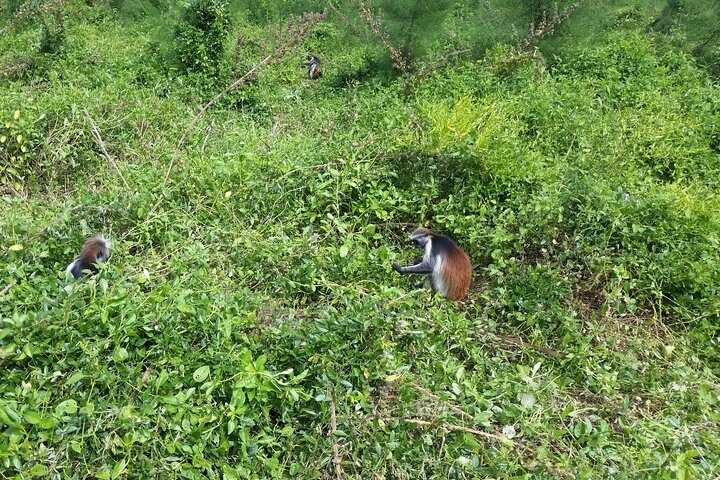
Another basic things to see are the red colobus monkey (colobus badius ), which must be found in Zanzibar and no place else in Africa. The island has around 2,000 monkeys of its species. It is in the Jozani woods that the voyager is well on the way to notice them very close.
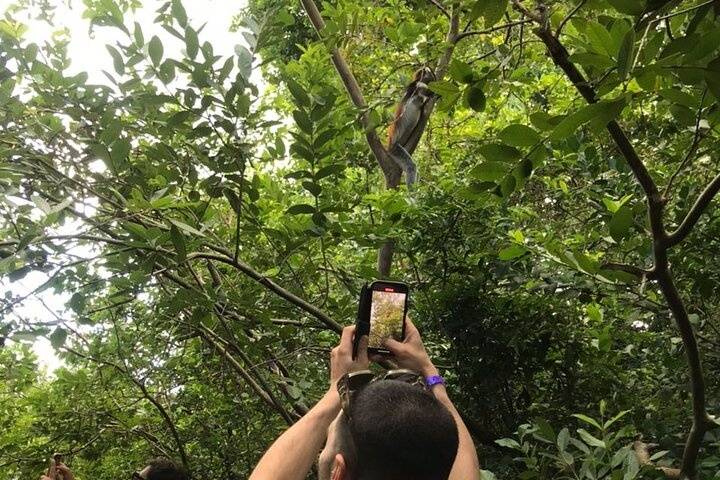
Jozani Colobus Monkey
There are 8 unique gatherings of colobus monkeys in Jozani Forest: 7 gatherings are comprised of meek or bashful monkeys which are unfortunate to people and living somewhere down in the forested areas. The eighth gathering unites more friendly ones, living by the roadside now and then, and hence more noticeable and simple to spot.
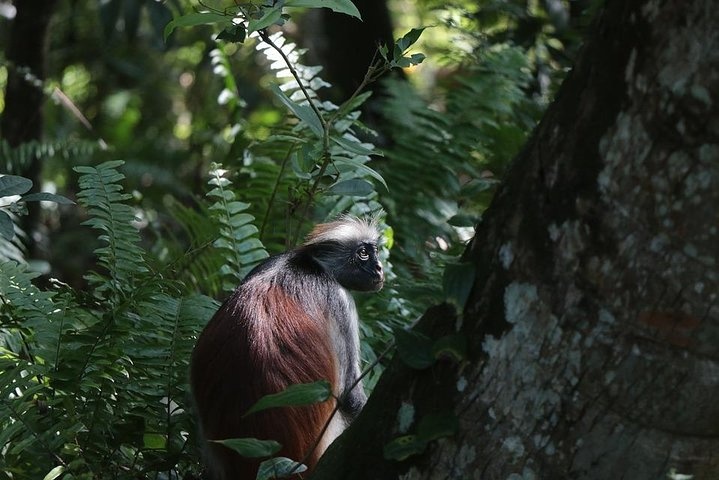
These red colobuses are recognized by their long tail, their hair, and their legs with 4 fingers. Since these monkeys dread the warmth then they rest in the branches during the day and wake up in the first part of the day and evening. They feed on fruits and leaves and don’t drink water, and can live 22 years on average. Jozani Forest is also home to a colony of blue monkeys (diademed) who eat whatever they find around the forest. And they are also very unique around Africa.
Jozani Vegetation
During the walk, the guide gives various and fascinating clarifications on the vegetation, the trees (100 species), the plants, and the tropical (medicine) spices. Some of the most common trees include eucalyptus, red mahogany (mama mtondoo), tallest Jozani tree, oil palm, sycamore, and casuarina. Since the creation of this reserve (1960), what remains essential in the wildlife (animals) of the island of Zanzibar seems to have concentrated in this dense mystery of these lush and rainforest parks.
Around Jozani Forest (Chwaka Bay)
It’s impossible to miss the lovely Jozani Forest on a trip to or from southeast Unguja, which is home to red colobus monkeys, who are rare yet are frequently observed there. The Zala Park for reptiles and dik-dik antelopes and the Zanzibar Butterfly Centre, a neighboring breeding program, both provide a closer look at the other inhabitants of the forest.
The entrance to the fifty-square-kilometer Jozani National Park lies 38 kilometers southeast of Stone Town. Jozani Forest, a dense, tangled jungle at the center of the area, is home to red colobus monkeys, which are almost certain to be spotted there, as well as blue or Sykes’ monkeys, bush pigs, small Ader’s duiker, and suni antelopes, elephant shrews, chameleons, and a fluttering variety of birds and butterflies. You may explore the forest at your own speed on a number of nature routes, which range from short half-day treks to leisurely hour-long strolls.
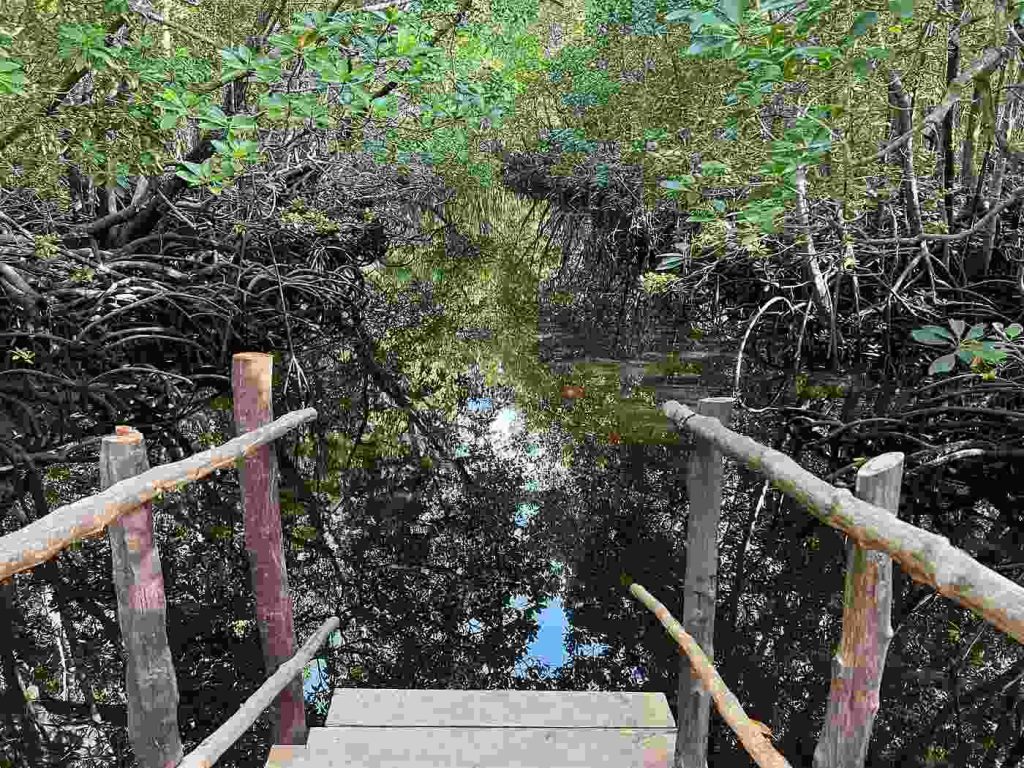
The Mangrove Trees
The mangroves and intertidal zones of Chwaka Bay to the north are included in the national park’s boundaries along with other biologically related sites. The short Pete—Jozani mangrove boardwalk, which begins and ends in a parking lot 1 km from the park’s entrance, offers views of comparable ecosystems. Mangroves are home to an abundant, albeit notoriously elusive other bird population. If you’re lucky, you could see Blue-cheeked bee-eaters, kingfishers, or olive or purple-banded sunbirds. Contact for more details on a trip to Zanzibar Island.
The Zanzibar Butterfly Centre
The Zanzibar Butterfly Centre (ZBC), located 1 km west of the park’s entrance, nicely complements a trip to Jozani by giving visitors the chance to observe more than a dozen of the region’s fifty or so native butterfly species. You are welcome to roam freely through the 500 square meters of tropical garden where they reside. The center’s main goal is to relieve strain on the forest’s natural resources by giving outlying communities an alternative source of income, in this case through the production and sale of pupae to collectors abroad. The project’s profits are invested locally.
Zala Park
Zala Park, also known as the Zanzibar Land Animals Park, is a worthwhile local project that is located 5.5 kilometers south of Jozani on the way to Kizimkazi. It was established in 1994 by a teacher to inform his students about environmental issues. Primarily a tiny zoo for reptiles and amphibians, it also houses dikdik antelopes as part of a breeding project.
Visit Jozani Forest
The park admission charge, which includes access to the forest, a boardwalk through the mangroves, and a guide, although gratuities are (rightfully) requested. The group near the gate may be observed on your own, but you must have a guide if you want to see colobus monkeys within the forest. Early in the morning is the greatest time to go since there are less visitors, wildlife is more active, and the light is pleasantly calming because it is filtered through the dense greenery. In the evening, when lighting is ideal for shooting, it begins to settle down once more.
The majority of visitors travel to Jozani after taking a dolphin trip at Kizimkazi, although it is also accessible through public transportation from Stone Town’s Darajani station to Bwejuu, Jambiani, and—most frequently—Makunduchi. It is advisable to go on the road by 5 p.m. because the final bus (daladala) returning to Stone Town passes around twilight. Reach us for the organized Jozani Forest Tour.
Frequently Asked Questions
What is Jozani Forest and why should I visit?
Jozani Forest is Zanzibar’s only national park and a must, visit for nature lovers. It is home to the rare red colobus monkeys, which are endemic to the island. The forest also features diverse wildlife, mangrove areas, and unique plant species. Walking through its trails gives visitors a chance to experience Zanzibar’s lush interior. A visit here is perfect for anyone interested in wildlife, nature photography, or a peaceful escape from the beaches.
What is the best way to explore Jozani Forest?
The best way to explore Jozani Forest is with a guided walking tour. Guides can help you spot wildlife like red colobus monkeys, duikers, and exotic birds that are easy to miss on your own. Walking trails range from short boardwalks through mangroves to longer forest loops. Tours provide educational insights about the ecosystem and conservation efforts. This ensures a richer experience and helps support local conservation projects.
How long should I plan to spend in Jozani Forest?
Most visitors spend around 2 to 4 hours exploring the forest, which is enough to see the main highlights. Shorter visits are possible if you just want to see the red colobus monkeys and mangrove boardwalks. Longer trips allow you to enjoy deeper forest trails and take your time with photography or wildlife observation. It’s best to plan your visit in the morning or late afternoon for cooler temperatures. This also increases your chances of seeing wildlife being most active.
What should I bring when visiting Jozani Forest?
When visiting Jozani Forest, wear comfortable walking shoes and light, breathable clothing. Bring water, insect repellent, and a hat to stay comfortable in the tropical climate. Binoculars and a camera are recommended for wildlife watching and photography. It’s also a good idea to carry small snacks if you plan a longer walk. Being prepared ensures you enjoy the forest without any interruptions.
When is the best time to visit Jozani Forest?
The best time to visit Jozani Forest is during the dry seasons, from June to October and December to February. The trails are easier to walk when it’s not muddy, and wildlife is more visible. Visiting in the morning is ideal because temperatures are cooler and monkeys are more active. Avoid the rainy seasons if you want a comfortable and safe forest experience. Planning your visit in the right season ensures you make the most of your time in this beautiful forest.
Still have questions?
Our local safari experts are happy to help you plan the perfect African safari.